Large or public shoots
Public locations, larger crews, road activity, or visible gear can change the permit logic quickly. The earlier this is reviewed, the better.
Thailand Film Permits
A careful permit overview for foreign productions that need practical guidance, not guesswork.
We help clients understand what may be required, what information should be prepared, and where the schedule needs more lead time. Approvals depend on the location and project type, so we help you assess the path without overpromising.
Permit guidance
Foreign productions in Thailand often need to review permit needs based on the locations, crew, equipment, subject matter, and whether the shoot is in public space or a controlled site. The exact path can vary.
Any brief involving the royal family, the monarchy, government-related subjects, or other sensitive material should be handled conservatively and reviewed early so the production can avoid avoidable risk.
Our job is to help the client understand the practical path early enough that the production can make sensible decisions before the team is already committed on the calendar.
Who should check permit needs
That includes commercials, corporate videos, documentaries, editorial stories, branded content, and photography shoots where locations or equipment could trigger an approval path.
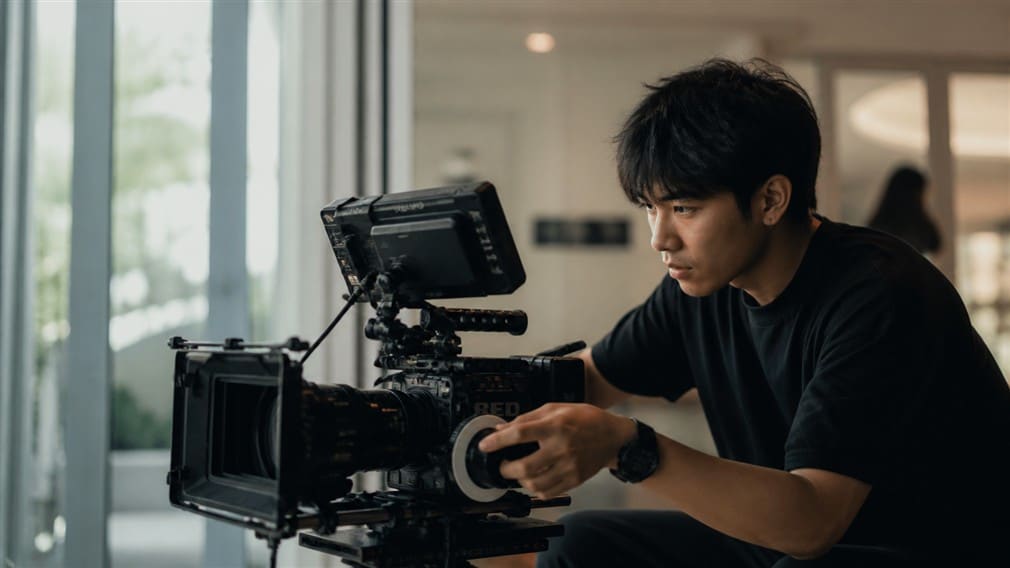
Public locations, larger crews, road activity, or visible gear can change the permit logic quickly. The earlier this is reviewed, the better.
Government-related content, safety-sensitive material, and documentary work with public impact can require more careful documentation and planning.
Flights and crew bookings should wait until the permit path is at least understood. That is where many avoidable problems begin.
Typical documents
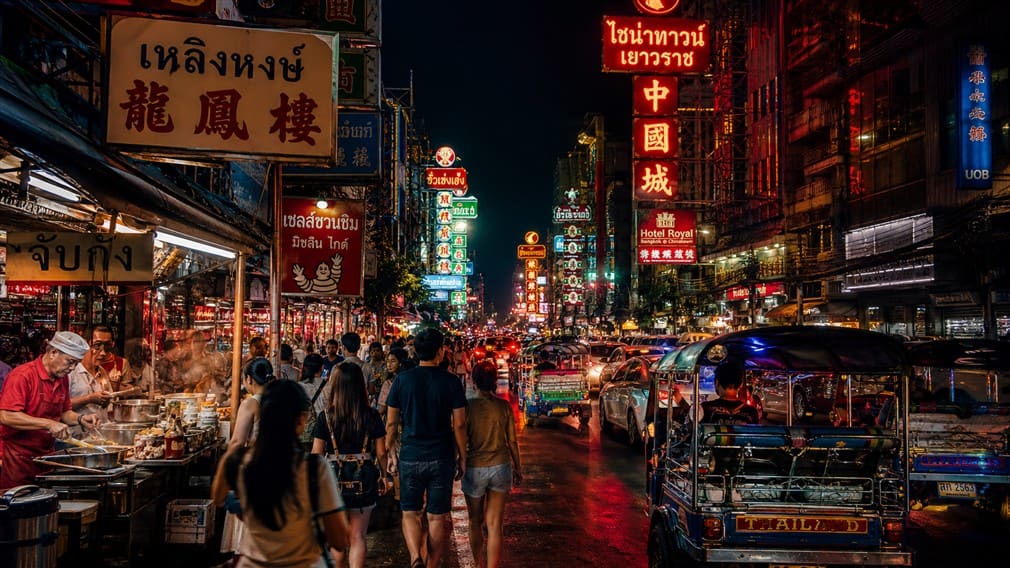
Depending on the shoot, the authorities or local partners may ask for project details, crew information, equipment lists, location plans, a shooting schedule, and supporting creative documents.
For some projects, a script, treatment, storyboard, synopsis, or interview outline may also help explain what is being filmed and why.
Location-specific permissions
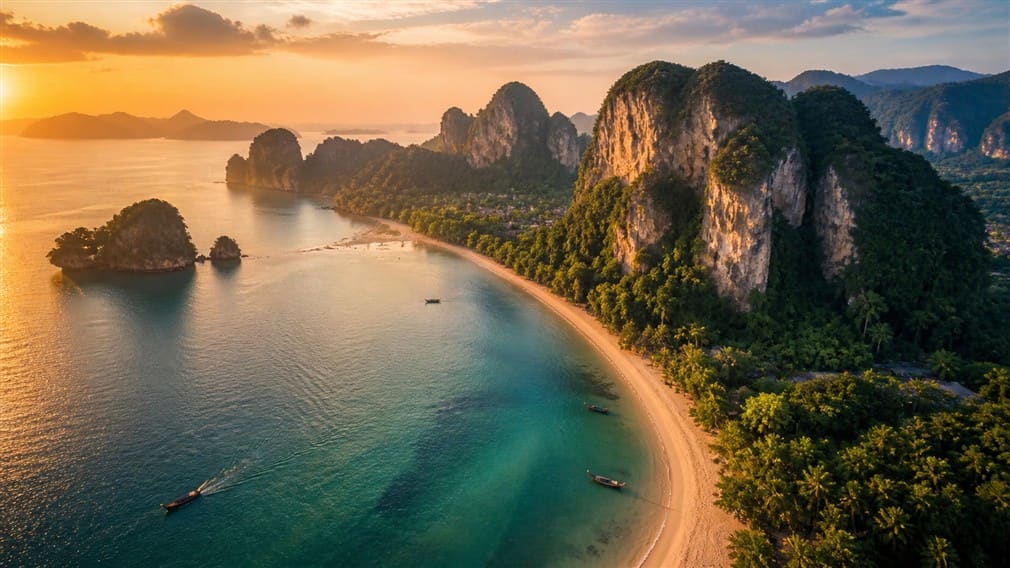
Drones, temples, national parks, airports, marine areas, and some public locations can involve additional permissions or operational requirements. The permit path may also depend on how visible the crew is and how much the shoot affects the space.
That is why we recommend reviewing the locations before schedules are locked. The wrong assumption at this stage can cost more than the permit itself.
Timeline planning
Some simple shoots may move quickly, but that should not be assumed for every brief. A simple-looking location can still have hidden approval questions.
Larger productions, drones, and sensitive areas often require more time, more information, and more coordination before the shoot can be safely scheduled.
If there is uncertainty, it is better to start permit planning early and keep the schedule flexible rather than lock the whole production and hope the paperwork catches up.
FAQ
Many foreign productions should check permit needs before shooting. The requirement depends on the project, crew size, equipment, location type, and subject matter.
No. No serious production partner should promise that. What we can do is help identify the likely path, prepare the information properly, and reduce avoidable problems.
We can help assess the planning path, but drone work always needs to be reviewed carefully because approvals and safety requirements can change by location and use case.
Start with dates, locations, crew size, equipment, and a clear summary of the shoot. That gives the permit review something real to work from.
Those subjects should be reviewed carefully and early. We would treat them as sensitive planning items, not routine location work.
Not for complex shoots. It is safer to understand the permit path first so the production is not committed before the local constraints are known.
Final CTA
Send the brief and the locations. We can tell you what needs more attention, where the schedule should be protected, and what information is usually needed to move the work forward responsibly.