Public and sensitive locations
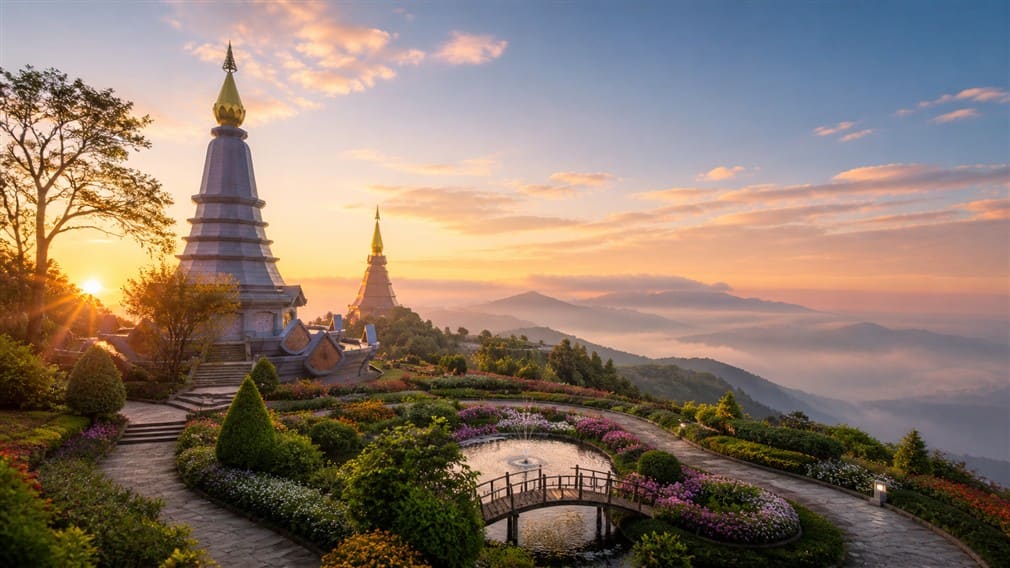
Temples, airports, government-related sites, national parks, marine areas, and some public locations can require more careful review than a private interior or hotel room.
Filming in Thailand
A practical guide for producers planning a shoot in Thailand with real-world considerations, not tourism copy.
Thailand offers strong visual variety, but the production question is always the same: how do you make the shoot workable once the crew, schedule, and local conditions are all in play?
Production guide
Thailand combines urban streets, temples, studio facilities, hospitality locations, rural roads, islands, mountains, and industrial settings within one production market. That makes it useful for commercials, documentaries, corporate work, branded content, fashion, lifestyle, and editorial shoots.
The benefit is not just visual variety. Thailand also has enough production infrastructure to support proper crew, equipment, logistics, and bilingual coordination when the brief is clear and the schedule is realistic.
Film permit basics
The actual requirement depends on the type of production, the locations, the crew size, and whether the shoot involves public space, drones, protected sites, or sensitive subject matter.
Temples, airports, government-related sites, national parks, marine areas, and some public locations can require more careful review than a private interior or hotel room.
A permit review normally becomes easier when the production has a clear brief: dates, locations, crew list, equipment list, and a summary of what the shoot is meant to capture.
The permit path should be reviewed before flights and crew are locked. Some shoots are straightforward; others need more lead time than clients expect.
Local coordinator role
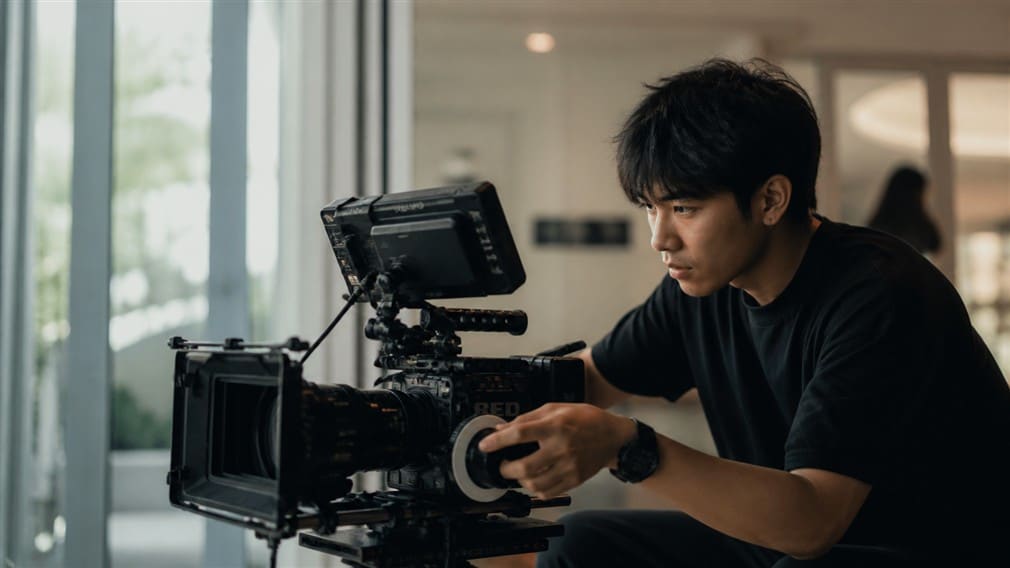
A local coordinator helps gather the right information, liaise with local stakeholders, track what the authorities may ask for, and keep the schedule realistic. That role is not just administrative; it is one of the ways production risk gets reduced before the crew arrives.
For foreign productions, the coordinator also helps bridge expectations between the client side and the local side, which is often where time is lost if the shoot is not planned properly.
Locations, weather, and travel
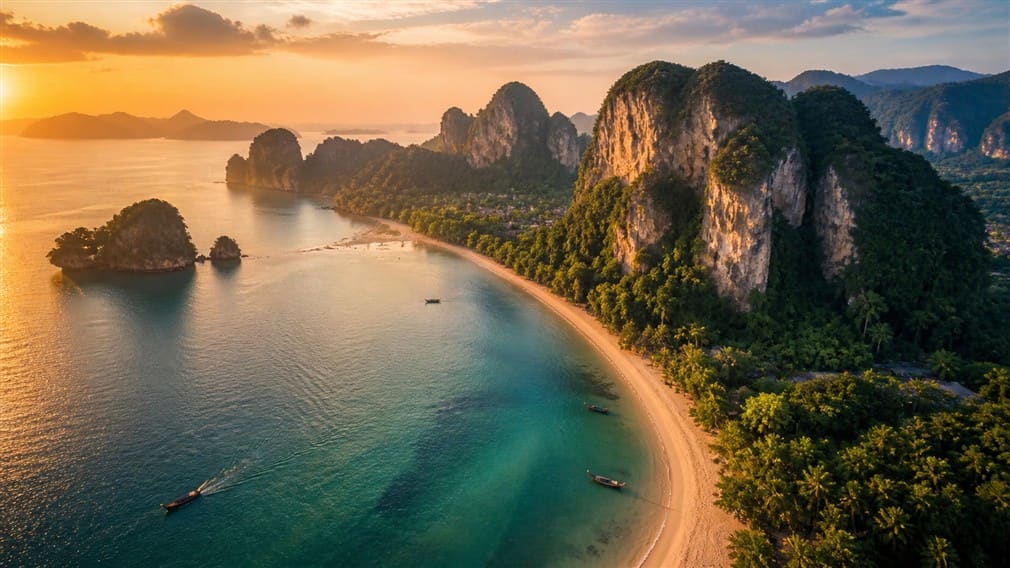
A Bangkok day shoot, an island day, and a northern mountain day are very different jobs. Weather, transport, ferry timing, traffic, and daylight all affect what the crew can realistically complete.
This is especially important for productions that want to move between city, coast, and inland locations in one trip. The route has to be planned for the production, not just the map.
Crew and equipment
Thailand has a useful crew base for a range of production sizes, but the right people need to be booked around the brief, not added later as an afterthought.
Some gear can travel with the crew; some is easier to source locally. The practical choice depends on weight, customs, timing, and what needs to be controlled tightly on the day.
A two-person documentary crew and a multi-camera commercial team require different levels of support. The right production plan should reflect that difference clearly.
FAQ
Start with a feasibility review. Check the locations, permit path, crew size, equipment, weather risk, and how much movement the schedule really has before anything is locked.
No. Bangkok is the main production hub, but Phuket, Chiang Mai, Krabi, Koh Samui, and Pattaya can all support different parts of a Thailand schedule depending on the brief.
Not every shoot has the same requirement, but foreign crews should check early. Public spaces, drones, sensitive subject matter, and some protected sites often need more review.
Yes. Early planning is usually the right time to catch access problems and over-optimistic schedules before they become expensive.
Final CTA
Send the brief and we can help you review the production path, likely permit needs, crew structure, location choices, and the practical parts of getting the work done without unnecessary risk.